Advertisement

Auto China 2026

  • Jaecoo J5 Hybrid, J7 Hybrid shown in China – SHS-H turbo, 224 PS, 295 Nm; J8 PHEV also on display

    Jaecoo J5 Hybrid, J7 Hybrid shown in China – SHS-H turbo, 224 PS, 295 Nm; J8 PHEV also on display

    Jaecoo J5 Hybrid

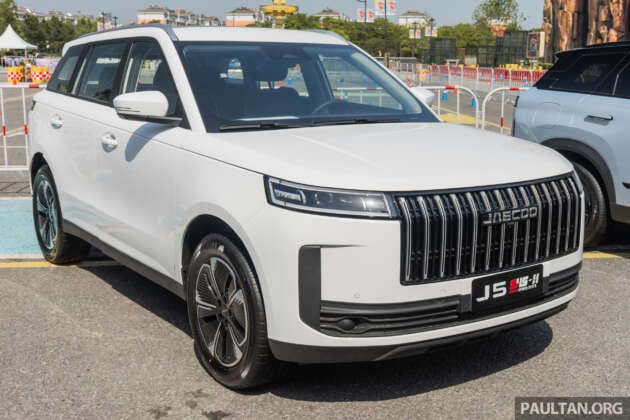
    Jaecoo has added a self-charging hybrid to its J5 and J7, utilising a version of the Chery Tiggo Cross Hybrid’s powertrain. These cars, recently launched in the UK and the Philippines, augment the J7 PHEV and offer an alternative for buyers who want an electrified model but balk at the thought of having to charge it.

    Like the new Omoda C4 Hybrid, the J5 and J7 Hybrid bear the new (and slightly silly) Super Hybrid System – Hybrid (SHS-H) moniker. This differentiates it from the original Super Hybrid System in the J7 PHEV, which itself has been renamed the Super Hybrid System – Plug-in hybrid (SHS-P).

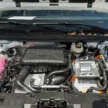
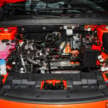
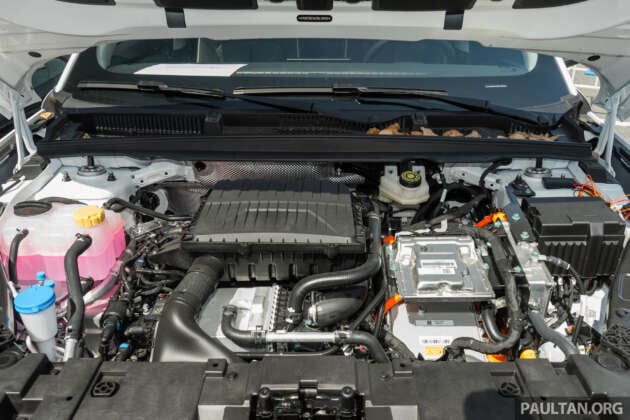
    Shown at the recent Chery International Business Summit (IBS) in Wuhu – held at the sidelines of the ongoing Auto China show – the J5 and J7 Hybrid add a turbocharger to the Tiggo Cross’ 1.5 litre Atkinson-cycle four-cylinder petrol engine. This is the same mill found in the J7 PHEV, producing 143 PS and 215 Nm of torque and delivering a thermal efficiency of 44.5%.
    Jaecoo J5 Hybrid, J7 Hybrid shown in China – SHS-H turbo, 224 PS, 295 Nm; J8 PHEV also on display

    Jaecoo J5 Hybrid

    The ICE juices the same 204 PS/310 Nm electric motor and 1.82 kWh battery found in the Tiggo Cross, but with a more powerful engine clutching in to help drive the front wheels at higher speeds through a single-speed dedicated hybrid transmission (DHT), total power rises to 224 PS – although oddly total torque actually drops to 295 Nm. The PHEV is still the champ, however, with a system output of 279 PS and 365 Nm.

    So equipped, the J5 Hybrid sprints from zero to 100 km/h in 7.9 seconds – more than two seconds quicker than the petrol J5 – on its way to a top speed of 175 km/h. Jaecoo claims a fuel efficiency figure of 18.9 km per litre (5.3 litres per 100 km) and a total range of 980 km thanks to a 51 litre fuel tank.

    The J7 version has the same powertrain but is of course heavier, meaning that its century sprint is completed nearly half a second slower at 8.3 seconds; its top speed, however, is higher at a quoted 180 km/h. Efficiency also drops only slightly to 18.8 km per litre (still 5.3 litres per 100 km), so expect its total range to be similarly close to the magic 1,000 km.

    Jaecoo J5 Hybrid

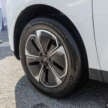
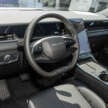
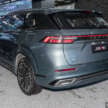
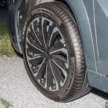
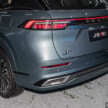
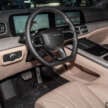
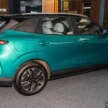
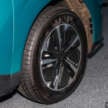
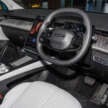
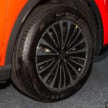
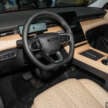
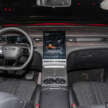
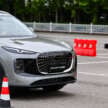
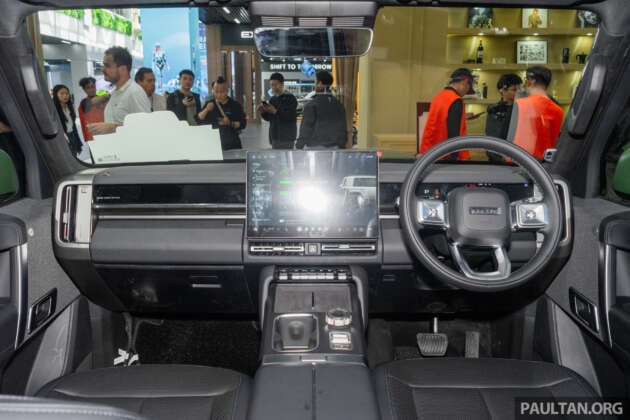
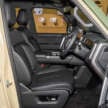
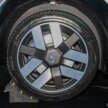
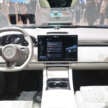
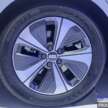
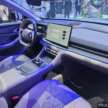
    From the outside, the J5 Hybrid is largely similar to the Range Rover Evoque-inspired petrol version, with the sole difference being the 18-inch aero-optimised turbine-style aero wheels from the EV version. Inside, the car takes after the J7 PHEV by ditching the electronic parking brake lever (its operation is now completely automatic, so you can’t move the car unless you put your seat belt on). But it otherwise retains a 13.2-inch portrait infotainment touchscreen and yes, even the calculator-style monochrome LCD instrument display.

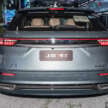
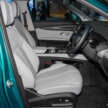
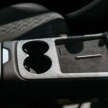
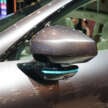
    The J7 Hybrid, meanwhile, is nigh-on indistinguishable from the J7 PHEV and includes that car’s streamlined mirrors and 19-inch aero wheels; you’d have to clock the single fuel filler door identify it. The same is true on the inside with its column-mounted shifter and cleaner centre console being shared with the PHEV.

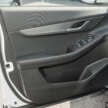
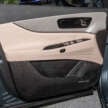
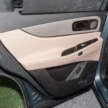
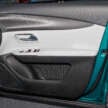
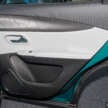
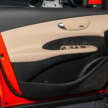
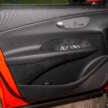
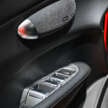
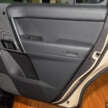
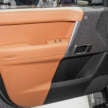
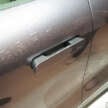
    However, the Hybrid gains the ruggedly-styled door cards of the petrol J7. This means pistol-grip grab handles on the three passenger doors and conventional window switches – rather than the PHEV’s fiddly reverse-direction ones – on the driver’s door, along with mirror controls that are physical (joy of joys!) instead of being buried in the 14.8-inch touchscreen. And yes, there’s still a 10.25-inch colour instrument display.

    Jaecoo J7 Hybrid

    Jaecoo also showed the J8 PHEV, a petrol-electric version of its three-row flagship. Beyond the obvious PHEV badging and dual flaps for fuel and charging, the car also gets the SHS-P powertrain under the bonnet – this time upgraded to the all-wheel-drive version also seen in the Omoda C9 PHEV.

    This switches the single front motor with dual electric motors – a P2 integrated starter-generator making 102 PS and 170 Nm, as well as a P2.5 traction motor churning out 122 PS and 220 Nm. The J7’s single-speed dedicated hybrid transmission (DHT) has also been ditched in favour of a three-speed unit. This allows the combustion engine to help drive the wheels at lower speeds, increasing acceleration.

    Finally, the rear wheels are driven by a 230 PS/310 Nm motor, providing all-wheel drive and a total system output of 537 PS and 650 Nm of torque. This enables it to sprint from zero to 100 km/h in 5.8 seconds – nearly a second slower than the five-seat C9 PHEV – although the top speed remains a bit low at 180 km/h.

    Jaecoo J8 PHEV

    With the same 34 kWh NMC battery, the J8 PHEV delivers a WLTP-rated pure electric range of 134 km (11 km less than the C9 PHEV), and with a 70 litre fuel tank, the claimed total range is over 1,100 km. By the way, the J8 you see here still gets the same design as the current model, and not the newly-revealed facelift that’s badged as the Chery Tiggo 9 (not the Tiggo 9 we’ll be getting soon – confused? Us too) in China.

    The J8 PHEV was also recently launched in the UK, with Australia soon to get this and the J5 Hybrid. Malaysian Omoda & Jaecoo officials told us that the cars are being considered for our market. Would you like to see these three models come here? Let us know in the comments.

    GALLERY: Jaecoo J5 Hybrid


    GALLERY: Jaecoo J7 Hybrid

    GALLERY: Jaecoo J8 PHEV

     
     
  • Geely Shendun Golden Brick Battery for hybrids shown in Beijing – 10-100% in 24.9 mins, 12C charging

    Geely Shendun Golden Brick Battery for hybrids shown in Beijing – 10-100% in 24.9 mins, 12C charging

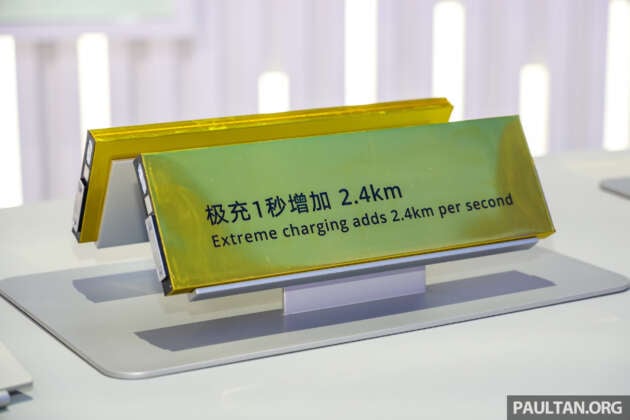
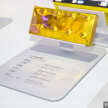
    Looking at this kinda makes me hungry because it reminds me of one of Cadbury’s confectioneries, but it is in fact made by Geely and it is food – just for vehicles instead of humans. The carmaker displayed on its Auto China 2026 stand in Beijing the Shendun Golden Brick Battery for hybrid vehicles.

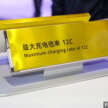
    Measuring 220.3 mm long, 28.2 mm wide and 95.5 mm tall, the short-blade battery can charge from 10-100% in 24.9 minutes and from 80-100% in 11.5 minutes. Max charging and discharging rates are 12C (as many as 2.4 km per second) and 21.02C respectively, the cycle life is 4,500 cycles and Geely says the battery has the world’s highest volume utilisation rate – 83.7%.

    Of course, the carmaker goes to great lengths to tell you how safe it is – it says there are eight major thermal safety protection technologies and that the battery has been subjected to an eight-pin puncture test and a 150 kN compression test. They even fired a 5.56 mm-diameter bullet at it with an automatic rifle.

    This battery is not to be confused with Lynk & Co’s 900V Energee Golden Brick Battery, which is for EVs and which can reportedly charge from 10-70% in four minutes 22 seconds, 10-80% in five minutes 32 seconds and 10-97% in eight minutes 42 seconds.


  • Geely Galaxy Starship 7 EV in Beijing – EV version of PHEV version of EV, positioned above Galaxy E5/EX5
    Geely Galaxy Starship 7 EV in Beijing – EV version of PHEV version of EV, positioned above Galaxy E5/EX5

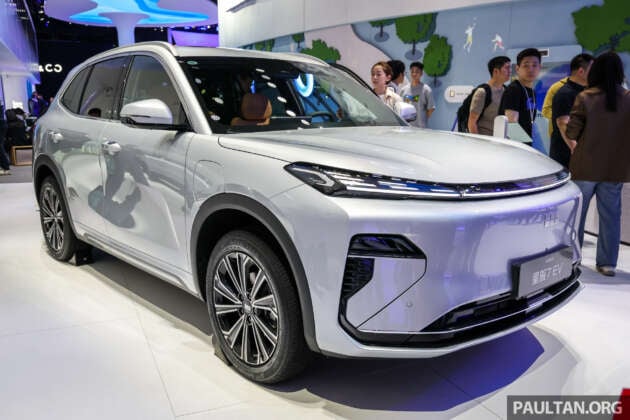
    Wait, what’s this – an EV version of a PHEV version of an EV? Well… somewhat. The Geely Galaxy Starship 7 EV we saw at Auto China 2026 in Beijing had us truly scratching our heads, but it now transpires, according to Car News China, that this is positioned above the Galaxy E5/EX5 EV, which we of course know as the Proton eMas 7 EV.

    If you’re confused, the Galaxy Starship 7 was born a PHEV (eventually becoming our Proton eMas 7 PHEV); now this is the EV version. Like the latest Geely Galaxy E5/EX5 EV, this guy’s got either 60.2 kWh (525 km CLTC) or 68.39 kWh (605 km CLTC) batteries and a front-mounted 218 PS electric motor, although curiously CNC estimates torque to be 300 Nm instead of the 320 Nm we’re familiar with.

    Now, the PHEV (regardless of whether you call it the Galaxy Starship 7, Starray EM-i or Proton eMas 7 PHEV) was always slightly larger than the EV (Galaxy E5/EX5/Proton eMas 7 EV), and this, according to CNC, is the basis for this new car being positioned above the Galaxy E5/EX5 EV. In case you’re wondering, the disparities are 125 mm in length, 39 mm in width, 15 mm in height and 5 mm in wheelbase.
    Of course, it also looks different from the other car, so we suppose you’d buy this if you prefer the split headlamps, full-width front LED bar, this front bumper design, regular door handles and your rear number plate to be on your tailgate rather than on the bumper… and you want a full EV. Makes sense?


  • Lepas L4 EV, L6 EV, L6 PHEV revealed in Beijing – would you like to see these NEVs in Malaysia?
    Lepas L4 EV, L6 EV, L6 PHEV revealed in Beijing – would you like to see these NEVs in Malaysia?
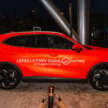
    Lepas L4 EV

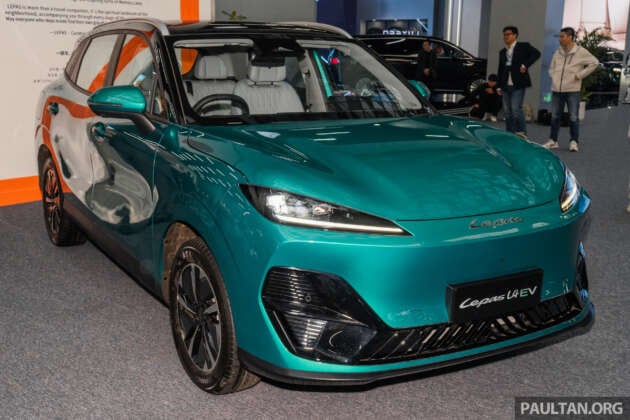
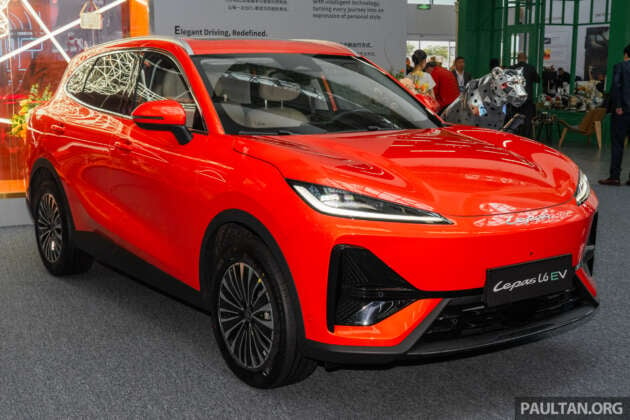
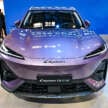
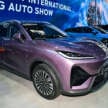
    Completing the list of Auto China debuts for the Chery International group is Lepas, which showcased the L4 EV, L6 EV and L6 PHEV in Beijing this week. These new energy vehicle (NEV) variants expand the fledgling lineup from the existing petrol-powered L4, L6 and L8, providing customers with a range of powertrain options built on the parent company’s dedicated LEX “intelligent” new energy platform.

    We’ve actually seen the L4 and L6 EVs before – the former at the Indonesia International Motor Show (IIMS) earlier this year, the latter at the recent Bangkok International Motor Show (BIMS). Both feature grille-less EV-specific front ends with jutting noses, aggressive air intakes and slim headlights with L-shaped daytime running lights, ditching the petrol cars‘ “leopard eye” graphics.

    Lepas has not released much in the way of details, but it has confirmed that the L4 EV will have a range of 500 km (likely on the NEDC cycle, so expect around 420 km of WLTP range). The rest of the powertrain should be shared with the Jaecoo J5 EV, including a single front motor making 211 PS (155 kW) and 288 Nm of torque, a 61.1 kWh LFP battery and up to 80 kW of DC fast charging support.

    Lepas L4 EV, L6 EV, L6 PHEV revealed in Beijing – would you like to see these NEVs in Malaysia?

    Lepas L6 EV

    As for the L6 EV, initial specs reported by Thai portal Autoinfo include outputs of 242 PS (178 kW) and 275 Nm, a zero to 100 km/h time of 7.9 seconds and a 67.08 kWh LFP battery delivering an NEDC range of 510 km (circa 430 km WLTP). Also included is up to 120 kW of DC fast charging – topping up the battery from 30 to 80% in 20 minutes – as well as up to 7 kW of AC charging.

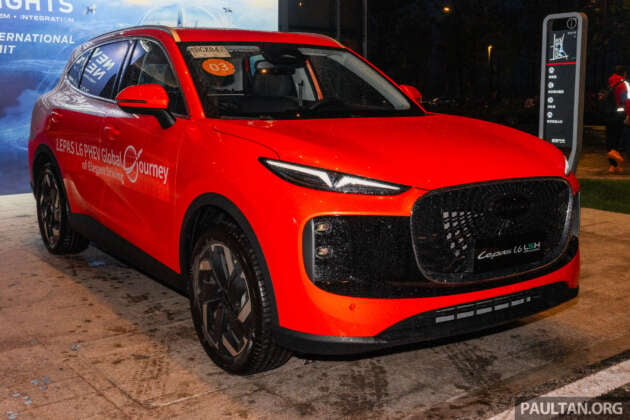
    Making its world premiere in Beijing is the L6 PHEV, utilising the newly-named Lepas Super Hybrid (LSH) system. This is almost certainly identical to the Super Hybrid System (SHS) used in the Jaecoo J7 PHEV and the Chery Super Hybrid (CSH) in the Chery Tiggo 7 and Tiggo 8 PHEV.

    Such a combination includes 1.5 litre turbo four-cylinder, an electric motor and a single-speed dedicated hybrid transmission (DHT), producing a combined output of 275 PS and 365 Nm of torque. Lepas claims a pure EV range of 107 km and a total range of 1,200 km in the larger L8.

    Lepas L4 EV, L6 EV, L6 PHEV revealed in Beijing – would you like to see these NEVs in Malaysia?

    Lepas L6 PHEV

    Aside from the dual ports for fuel and charging, the L6 PHEV is practically indistinguishable from the petrol version, with a large rectangular grille and split headlights with the aforementioned leopard-inspired DRLs. The car you see here – a prototype that was driven from Beijing to Wuhu for the Chery International Business Summit – wears handsome 19-inch turbine-style alloy wheels.

    Inside, the L6 PHEV continues to feature a minimalist interior with the J7’s three-spoke steering wheel and a waterfall centre console housing a large portrait infotainment touchscreen. You also get “floating” Sony speakers on the doors that integrate the ambient lighting.

    Lepas Malaysia has not confirmed if the NEV models will be offered on our shores, only saying that they are being considered for our market. If they do, expect them to arrive sometime after the ICE models are launched – those are slated to debut in the first half of the year, possibly at the Kuala Lumpur International Mobility Show (KLIMS) in June.

    GALLERY: Lepas L4 EV


    GALLERY: Lepas L6 EV
    GALLERY: Lepas L6 PHEV
    GALLERY: Lepas L4 EV official photos
    GALLERY: Lepas L6 EV official photos
    GALLERY: Lepas L6 PHEV official photos


  • 2026 BYD Atto 3 shown in Beijing – up to 326 PS, RWD; second-gen Blade battery, up to 517 km WLTP

    2026 BYD Atto 3 shown in Beijing – up to 326 PS, RWD; second-gen Blade battery, up to 517 km WLTP

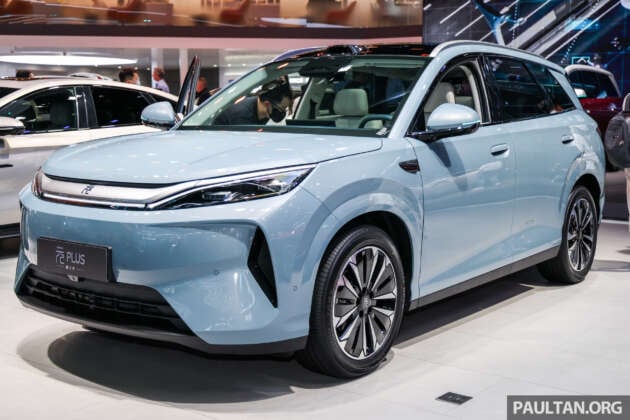
    The new, 2026 BYD Atto 3 that was unveiled last month has been shown as the Yuan Plus at Auto China 2026 in Beijing, and the latest model is physically larger than the model it succeeds.

    This measures 4,665 mm long, 1,895 mm wide and 1,675 mm tall with a wheelbase of 2,770 mm, making its 210 mm longer, 20 mm wider and 60 mm taller than the current Atto 3; kerb weight is claimed to be 1,690 kg. Two wheel designs are offered for the 2026 Atto 3, and these measure 18 to 19 inches in diameter.

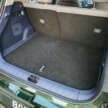
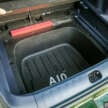
    The enlarged exterior dimensions bring more luggage space; according to Drive, luggage capacity for the Yuan Plus/Atto 3 is 750 litres, with an additional 180 litres of space in the frunk.

    The 2026 Atto 3 takes after the Atto 3 Evo for Europe in terms of powertrain layout, in making the switch to a rear-wheel-drive configuration. In China, the 2026 Atto 3 gets a rear-mounted motor that outputs 200 kW (272 PS) or 240 kW (326 PS).

    The 272 PS powertrain draws from a 57.54 kWh LFP battery that offers up to 540 km of range on the CLTC cycle (443 km WLTP) while the 326 PS powertrain is powered by a 68.55 kWh battery with up to 630 km of CLTC range (517 km WLTP).

    Both powertrain variants draw from the BYD Blade 2.0 battery. The new-generation battery pack gets flash charging technology that enables a claimed 10-70% recharge in five minutes, or 10-97% in nine minutes.

    For comparison, the Atto 3 Evo for Europe gets a 74.8 kWh battery pack yielding 510 km of range (WLTP) for the 313 PS/380 Nm RWD variant, and 470 km (WLTP) for the 449 PS/560 Nm dual-motor AWD variant.

    The 2026 Atto 3 get a powered tailgate, a 16-speaker audio system, a built-in refrigerator, floating infotainment touchscreen and driver’s instrument display, two-spoke steering wheel, a head-up display, and wireless phone charging at up to 50 watts.

    Pricing in China for the 2026 BYD Atto 3 has yet to be confirmed, though orders for the new model was previously reported to open around the middle of this year.


  • Leapmotor B05 confirmed for UK, Australia – will ASEAN get the Golf-class Lafa 5 EV hatch after B03X?

    Leapmotor B05 confirmed for UK, Australia – will ASEAN get the Golf-class Lafa 5 EV hatch after B03X?

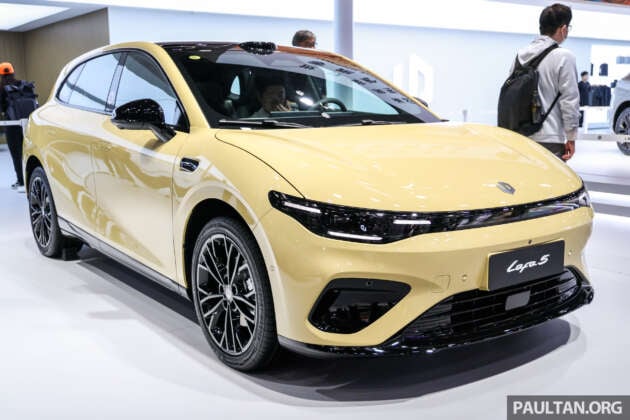
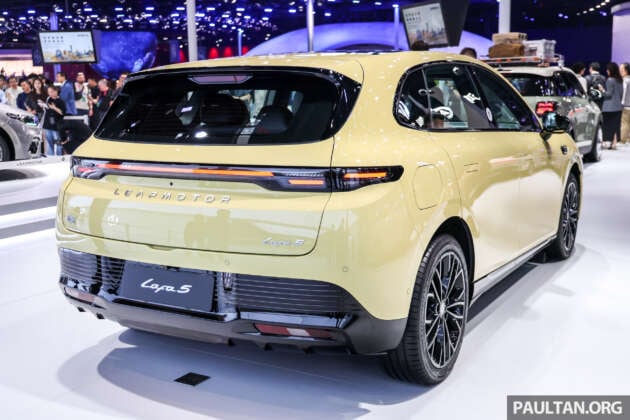
    SUVs are inevitable, but if you’re still one of those car guys who are ‘keeping it true’ to your favourite format (some like them long and sleek, some like ‘no tail’), here’s a breath of fresh air from Auto China 2026. Unlike everything else in Beijing, the Leapmotor Lafa 5 is a Euro-style five-door C-segment hatchback for the electric age.

    Think Volkswagen ID.3, but with ICE-car looks, like a traditional Golf. Something like this might not have been a big deal a decade ago, but it’s increasingly niche now, more so in China, where hatchbacks aren’t a thing. The front end reminds me of VW’s Scirocco – remember that sporty two-door?

    By the way, Lafa stands for Lifestyle, Attitude, Freedom and Art but the car will be marketed as the B05 outside of China, and we’ll call it that from now.

    Leapmotor B05 confirmed for UK, Australia – will ASEAN get the Golf-class Lafa 5 EV hatch after B03X?

    The B05 is 4,490 mm long and 1,880 mm wide, with a long wheelbase of 2,735 mm. The regular car you see here is 1,520 mm tall, 10 mm higher than the sportier Ultra version that debut in Beijing last week. For context, a VW Golf MK8 is 4,284 mm long, 1,789 mm wide and 1,456 mm tall. Boot volume is 435 litres, expandable to 1,400 litres with the rear seats folded.

    Like its B10 SUV sister, the B05 sits on the Leap 3.5 EV platform, which means it’s rear-wheel drive and has 50:50 weight distribution. The hatchback sits on independent suspension (rear multi-links) and 19-inch wheels, wrapped with 225/45 Linglong Sport Master e tyres, which we also find on the B10.

    In China, the entry-level Lafa 5 has a 179 PS/220 Nm motor, while the other four variants get 218 PS/240 Nm. A range of LFP batteries (everything is designed and packed in-house by Leapmotor, with only the battery cells supplied) deliver CLTC range of 515 km or 605 km, which should translate to around 420 km and 500 km on the more realistic WLTP scale. The 0-100 km/h sprint is achieved in 7.9 to 8.9 seconds and top speed is up to 160 km/h.

    Leapmotor B05 confirmed for UK, Australia – will ASEAN get the Golf-class Lafa 5 EV hatch after B03X?

    Leapmotor claims energy consumption of between 11.9 to 12.5 kWh per 100 km and DC fast charging top ups from 30% to 80% SoC in around 18 minutes.

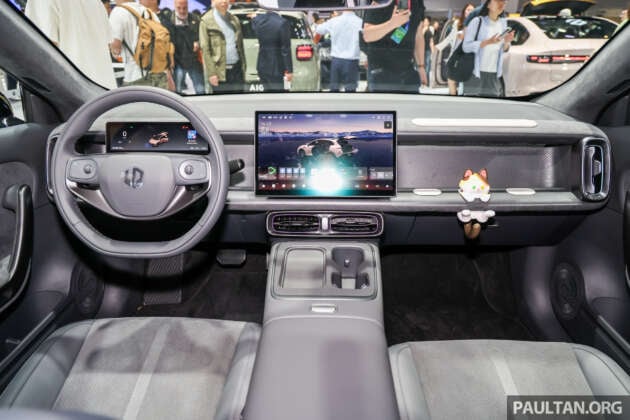
    Inside, the B05’s dashboard is per the B10 SUV, and one gets an 8.8-inch digital meter panel paired to a 14.6-inch central screen. It’s standard Chinese EV fare in here, but the holes on the passenger side of the dash are quite interesting – Leapmotor sells accessories that owners can plug-in according to their needs, such as a foldable table and a phone holder. The Beijing showcar you see here has a cat tapau hook.

    Unlike the exterior, the B05’s basic dashboard design isn’t at all sporty, but they did throw in some racy touches such as suede-like surfaces, a full-black cabin and frameless windows.

    The car’s cockpit chip is the Snapdragon 8155, but there’s a more powerful Snapdragon 8295/8650 available. Also optional is LiDAR, marked by roof-mounted sensors and blue lights at both ends of the car. Since this more advanced ‘hands-free’ form of ADAS isn’t applicable in most overseas markets, they’re likely to be omitted for export B05s.

    In China, the Lafa 5 is priced from 97,800 yuan for the base 515 Plus to 121,800 yuan for the top 605 Max (RM56,569 to RM70,451). The B05 is confirmed for UK and Australia and exports are scheduled for later this year, which means that right-hand-drive production is just around the corner.

    So, how about ASEAN? Leapmotor’s next model for our region is the A10 a.k.a. B03X compact SUV and we understand that there are no plans for the B05, for now. It’s a shame because this EV is truly a breath of fresh air thanks to its unique bodystyle and subtle-sporty design, but what makes it special is also what makes it a weak business case next to an SUV. What do you think of the B05 and the hotter Ultra version?

    GALLERY: Leapmotor Lafa 5 a.k.a. B05 at Auto China 2026


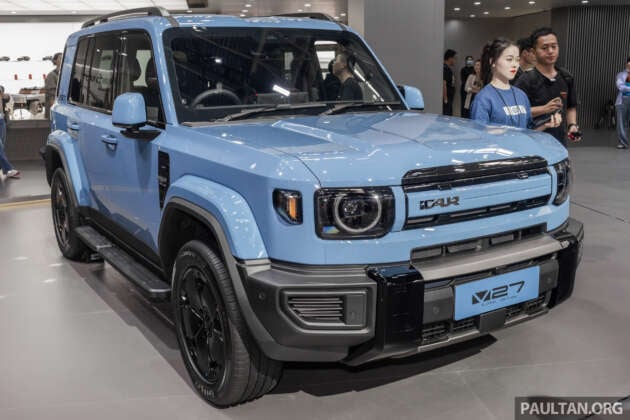
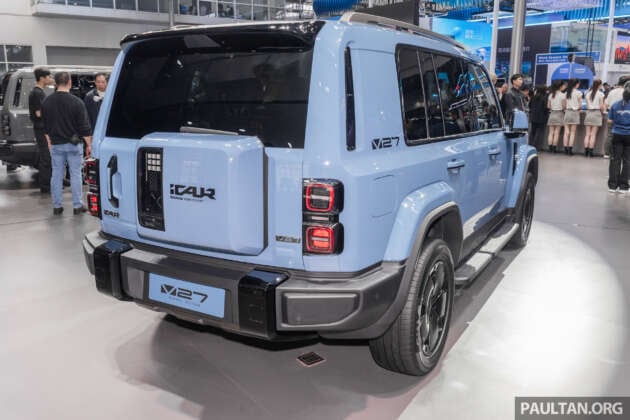
  • iCaur V27 shown in RHD – boxy REEV SUV with up to 455 PS, 210 km CLTC EV range coming to Malaysia

    iCaur V27 shown in RHD – boxy REEV SUV with up to 455 PS, 210 km CLTC EV range coming to Malaysia

    With the 03 and V23 EVs now widely available, iCaur’s next big global launch is the V27, which was revealed in Guangzhou late last year. At the ongoing Auto China show in Beijing, the lifestyle-oriented Chery offshoot showcased the international version with iCaur badging (instead of the China-exclusive iCar branding), with the added bonus of it being converted to right-hand drive.

    The car’s Chinese launch last month means we finally have proper specs for iCaur’s first range-extended electric SUV, available in rear- and all-wheel-drive versions. The single-motor model produces 252 PS (185 kW) and 300 Nm of torque, while the dual-motor variant adds a front motor for a sum total of 455 PS (335 kW) and 505 Nm. Helping to juice the motor(s) is a 1.5 litre Atkinson-cycle four-cylinder turbo petrol engine making 156 PS (115 kW) and 220 Nm.

    No matter which version you go for, the V27 comes with a 34.3 kWh CATL LFP battery for a pure electric range of 210 km for the RWD car and 200 km with AWD, both on China’s lenient CLTC cycle; expect WLTP figures closer to 170 km and 160 km respectively. Energy consumption is rated at 20.4 kWh per 100 km for the RWD model and 21.7 kWh per 100 km for the AWD one.

    iCaur V27 shown in RHD – boxy REEV SUV with up to 455 PS, 210 km CLTC EV range coming to Malaysia

    Add to this a large 60 litre fuel tank and you’re looking at total CLTC range numbers of 1,230 km (circa 1,000 km WLTP) for the RWD car and 1,200 km (circa 980 km WLTP) for the AWD one. The car supports up to 100 kW of DC fast charging, and topping the battery up from 10 to 80% takes 17 minutes. No word on AC charging, but the V27 is able to discharge up to 6 kW through its vehicle-to-load (V2L) function.

    Just like the recently-unveiled Freelander 8, the V27 AWD comes with nine drive modes (including off-road-specific ones), and the top version in China even has magnetic ride control dampers. All cars have 220 mm of ground clearance, a maximum water-wading depth of 600 mm and 24.5-degree approach and departure angles. An electronic locking rear differential and a “tank turn” function are also fitted to AWD variants.

    As you’d expect, the iCaur V27 is basically identical to the Chinese-market iCar from the outside, with an off-road-ready look (even though this car features a unibody construction) afforded by its tall and upright body and squared-off wheel arch flares.

    iCaur V27 shown in RHD – boxy REEV SUV with up to 455 PS, 210 km CLTC EV range coming to Malaysia

    The square headlights with round internals and separate side markers are pure Toyota Land Cruiser 70, while the front fender appliqués mimic a Defender’s vents; there are also actual (if rather small) rear quarter windows for a modicum of over-the-shoulder visibility versus the V23. One difference over the Chinese version is the lack of a tailgate-mounted full-sized spare tyre, replaced by the V23’s storage “backpack”.

    Inside, the RHD model is very similar to the Chinese one, with a bluff dashboard and an abundant usage of chunky horizontal and vertical elements for a more rugged appearance. Unlike the V23, there is a slimline digital instrument display, complementing the 15.4-inch infotainment touchscreen running on a Qualcomm Snapdragon 8295 processor.

    Just like the V23, there are toggle switches on the roof (including auxiliary switches for wiring up accessories); on the V27, these extend to the air-con controls, sitting below the centre air vents and above the dual smartphone holders (one of which is a Qi wireless charger). A large drive mode selector is nestled next to the cupholders, while the corner air vents hide an air fragrancing system.

    The Chinese version also comes with twin ceiling portholes that span the entire length of the roof, but these appear to have been taken out for international models. Despite the size (a whopping 5,055 mm long), the V27 is a strict five-seater, with those at the back getting air-con vents (unlike the V23) and BMW-style mounting points on the backs of the front seats for attachments such as an tablet holder.

    Thanks to the 69.9% of its footprint being used for cabin space, iCaur claims a generous 950 mm of knee room, 50 storage spaces dotted throughout the interior and a 715 litre boot – the latter is extendable to 1,818 litres with the rear seats folded. There are also 50 attachment points inside and out for various iCaur-branded accessories that are said to be eco-friendly.

    iCaur Malaysia officials have confirmed that the V27 will be sold on our shores. Its launch could coincide with the start of CKD local assembly at Chery’s new 1,280-acre plant in Lembah Beringin; expected to be operational this year, the factory has received RM3.6 billion in investments over the past two years.


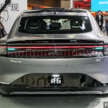
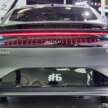
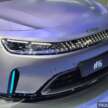
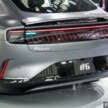
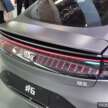
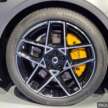
  • smart #6 EHD debuts in Beijing – PHEV D-segment sedan, largest smart ever, X50’s 1.5T, 1,810 km CLTC

    smart #6 EHD debuts in Beijing – PHEV D-segment sedan, largest smart ever, X50’s 1.5T, 1,810 km CLTC

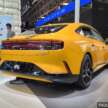
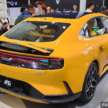
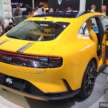
    smart may be returning to its tiny-car roots with the #2, but it hasn’t stopped going the other way. The wraps have come off the biggest smart ever at Auto China 2026 in Beijing. At 4,906 mm long, 1,922 mm wide and 1,508 mm tall, with a 2,926-mm wheelbase, the smart #6 EHD is just 43 mm shorter than the current Mercedes-Benz E-Class!

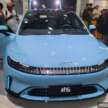
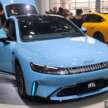
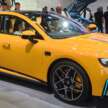
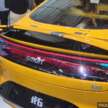
    It may not be so obvious from the photos, but in the flesh, the smart #6 gives off some Xiaomi SU7 vibes (especially the blue and yellow examples) as far as exterior styling is concerned. There’s also a retractable rear spoiler, and despite many news outlets calling it a sedan, it’s strictly speaking a hatchback, as it has a tailgate and the luggage area is not separated from the passenger compartment.

    The sporty, low-slung fastback proportions are backed up by some grunt. The Electric Hybrid Drive (EHD) system combines a 163 PS/255 Nm 1.5 litre BHE15-CFZ turbo four-cylinder engine (related to the motor you’ll find in Protons X50, X70, X90 and S70) and a three-speed dedicated hybrid transmission (DHT). A total of 435 PS and 635 Nm of torque go to the front wheels.

    Batteries? 20 and 41.16 kWh (both LFP); the latter yields a 285-km CLTC EV range and a combined CLTC range of 1,810 km. Other highlights include 20 Sennheiser 2,000-watt speakers, three screens (including one for the front passenger) and frequency-selective damping. The smart #6 EHD is set to go on sale in China in June from RMB190k (RM110k). Is Malaysia ready for a big smart?


  • Freelander 8 – Chery-JLR production electrified three-row SUV debuts, exports to ASEAN possible?

    Freelander 8 – Chery-JLR production electrified three-row SUV debuts, exports to ASEAN possible?

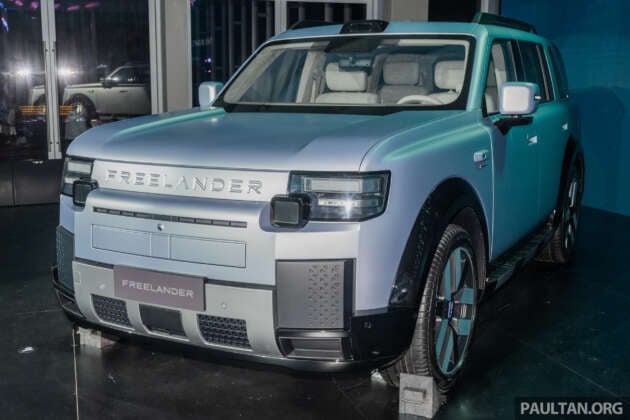
    Here’s a big surprise – barely three weeks after debuting the Concept 97, Freelander has revealed the production-intent model, simply called the Freelander 8, at the sidelines of the ongoing Auto China show at the Chery International Business Summit in Wuhu. As previously reported, this is a far cry from the original baby Land Rover, being a massive three-row SUV instead.

    Confused? Let’s give you a bit of a primer. The former Land Rover nameplate ended up in the hands of Chery after it signed a deal with its partner in 2024 to develop it into a separate brand. This became far more significant to Jaguar Land Rover than previously thought, as it became known that the nascent marque would replace the production of all JLR models as the Changsha plant.

    Anyway, the Freelander 8 continues to be designed by the British firm, led by design hub director Phil Simmons – a designer at Land Rover back when the original Freelander was being developed (he also penned the stunning L322 Range Rover, natch). This explains why the car still looks like it came from Solihull, with more than a passing resemblance to another modern classic, the rectilinear Discovery 3.

    Freelander 8 – Chery-JLR production electrified three-row SUV debuts, exports to ASEAN possible?

    The production model is a relatively faithful recreation of the Concept 97, albeit with some obvious fanciful show car touches ditched. Most notable of these is the lack of a striking two-tone colour scheme and the vertical displays that make up the head- and taillights.

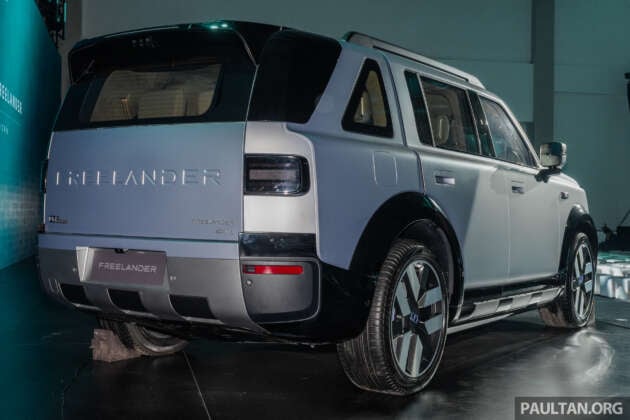
    Much of the rest has been retained, including Land Rover’s signature interlocking headlights, the large Freelander script front and rear, prominent skid plates, a gloss black finish for the body cladding and round wheel arches, slim rectangular taillights and even the criss-cross alloy wheels – here measuring a still massive 22 inches in diameter.

    Perhaps the most distinctive design cue remains the triangular rear three-quarter windows, lifted from the first-generation Freelander three-door cabriolet. So proud is the firm of the design that it has even made it the logo, representing the letters F and L. Unfortunately, the Concept 97’s removable rear canopy has been jettisoned, as have the suicide doors – you get normal doors and mechanical pull-up door handles instead.

    Freelander 8 – Chery-JLR production electrified three-row SUV debuts, exports to ASEAN possible?

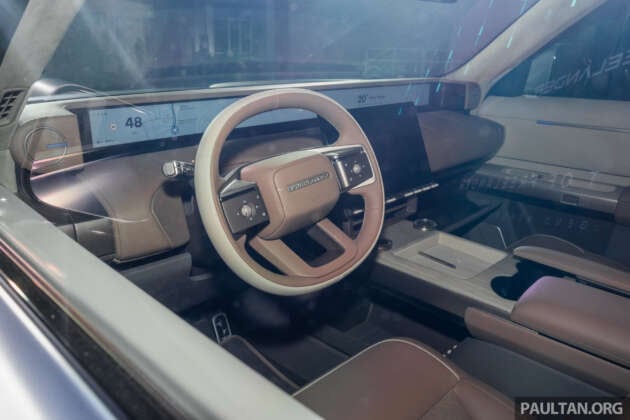
    Inside, the Freelander 8 features the Concept 97’s widescreen display that spans from A-pillar to A-pillar. This apes the Panoramic Vision display found in the new BMW iX3 and i3, albeit without the expensive projection technology. Below this sits a large infotainment touchscreen, a row of physical air-con controls and a pair of rotary knobs.

    The second row can be specced with twin captain’s chairs with built-in ottomans, heated, ventilated and massaging functions and one-touch “zero gravity” recline. The third row, on the other hand, features conventional twin seats rather than the concept’s lounge-like wraparound pews.

    No technical details have been revealed just yet, but given that Freelander has been set up as a new energy vehicle (NEV) brand, expect it to be offered in electric and plug-in hybrid variants (the prototype you see here has dual ports for fuel and charging. The company also says the car will offer the first Intelligent All-Terrain System (i-ATS) with nine off-road modes, along with a “virtual” locking centre differential, an electronic locking rear differential and dual-chamber air suspension.

    The Freelander 8 is the first of six new models planned to be launched over the next five years. The Chery JLR plant in Changsha it will be built in has received US$1.5 billion (RM5.9 billion) in investment, with US$440 million (RM1.7 billion) spent on upgrades alone to turn it into an “intelligent” manufacturing base.

    The brand will begin its global presence in the Middle East and expects to eventually be sold in 90 countries worldwide. While Malaysian sales have yet to be confirmed, the company has already said it will conduct testing of prototypes in Southeast Asia among other places, and it expects to receive a five-star ASEAN NCAP safety rating. Would you buy a Freelander 8 if it reaches our shores? Let us know in the comments.


    GALLERY: Freelander Concept 97 at Auto China 2026


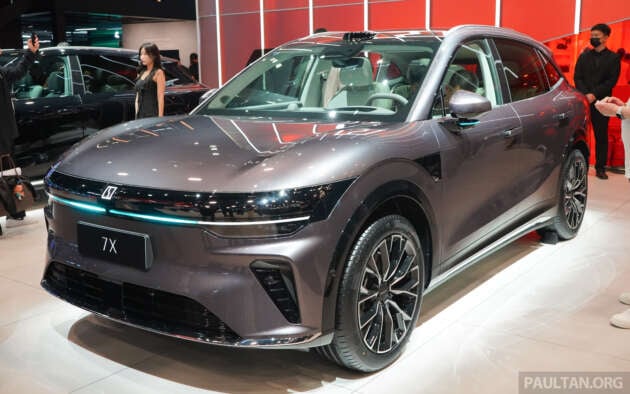
  • 2026 Zeekr 7X facelift on display in Beijing – now 900V system; up to 795 PS, 802 km CLTC; from RM133k

    2026 Zeekr 7X facelift on display in Beijing – now 900V system; up to 795 PS, 802 km CLTC; from RM133k

    Joining the new Zeekr 009 and 8X at the ongoing Auto China (also known as Auto Beijing) is the facelifted 7X, which went on sale in its home market back in October last year.

    Available in three variants, the 7X starts at 229,800 yuan (about RM133k) for the base Max with a 75-kWh lithium iron phosphate battery that is good for up to 620 km of range following the CLTC standard.

    Next is a long-range version of the Max with a 103-kWh nickel manganese cobalt (NMC) battery that offers up to 802 km (CLTC) and is priced at 249,800 yuan (RM145k). Both Max variants are rear-wheel drive with an electric motor rated at 503 PS (496 hp or 370 kW) and 535 Nm of torque. For context, the pre-facelift RWD variants of the 7X we currently get in Malaysia serve up 421 PS (416 hp or 310 kW) and 440 Nm.

    With more grunt, the 7X is now quicker in the 0-100 km/h sprint, taking either 5.4 (Max) or 5.1 seconds (long-range Max) – circa six seconds previously. The top speed of the Max variants is 240 km/h.

    2026 Zeekr 7X facelift (left), Malaysian-spec 7X AWD Performance (right)

    At the top of the heap is the Ultra with a price tag of 269,800 yuan (RM157k), the same 103-kWh NMC battery (715 km CLTC) and dual electric motors. Total system output is up for the Ultra too, now at 795 PS (784 hp or 585 kW) and 812 Nm for a century sprint time of 2.98 seconds and top speed of 255 km/h.

    The AWD Performance we get now packs 646 PS (637 hp or 475 kW) and 710 Nm for a 0-100 km/h time of 3.8 seconds. We should also point out that the facelifted model’s NMC battery has three kWh more energy than before.

    The improved performance is thanks to the adoption of a 900-volt electrical architecture – previously an 800-volt system. The base Max keeps to 5.5C charging and will get from a 10-80% state of charge (SoC) in 10.5 minutes, unchanged from previously. The 103-kWh variants get bumped up to 6C charging and the same run from 10-80% takes just 10 minutes, six minutes faster than before.

    As far as styling changes go, the 7X looks sportier with a new front bumper that has more exposed air inlets, including corner air curtains and a central intake. The rear bumper also gets swapped out for one with a diffuser-like element, with other changes being a new look for the reverse light and reflector pairings on either side as well as a number plate recess that sits higher up.

    2026 Zeekr 7X facelift (left), Malaysian-spec 7X AWD Performance (right)

    The chrome skirting is also part for the facelift, while the full-width light bar at the front now turns blue when in automated drive mode. Buyers can still option the Stargate customisable light curtain with 1,831 individuals LEDs that sit above said light bar.

    While the exterior sees some notable changes, the facelifted 7X’s interior looks pretty much the same before. A 13.02-inch digital instrument cluster, 16-inch 3.5K mini-LED touchscreen and 36.21-inch augmented reality-enabled head-up display are all carried over, with a Snapdragon 8295 chip powering the intelligent cockpit.

    Features that are exclusive to 7X in China that we don’t get are optional powered reclinable rear seats with ottoman, heating, ventilation and massage functions. The “boss seat” can also be enhanced with a cost package that adds a powered fold-out table and a separate 13-inch 2K OLED touchscreen.

    2026 Zeekr 7X facelift (left), Malaysian-spec 7X AWD Performance (right)

    A refrigerator positioned aft of the front centre console is another item in the options list, along with a single-chamber air suspension system with continuous control damping (CCD) applicable to Max variants – the Ultra gets this as standard.

    On the ADAS front, all 7X variants sold in China come with G-Pilot H7 and 31 sensors, including a roof-mounted LiDAR. Powered by an Nvidia Drive Thor-U chip capable of 700 TOPS, available functions include all-speed adaptive cruise control, active lane change assist, automatic parking assist, autonomous emergency braking, lane departure warning and assist, blind spot monitoring, cross traffic alert and lead vehicle departure alert.

    More advanced features that are part of Navigation Zeekr Pilot (NZP) are a cost option, including point-to-point navigation automated driving, city navigation assist, high-speed automated navigation assist and emergency obstacle avoidance.


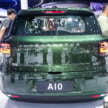
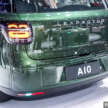
  • Leapmotor A10 is the next model for Malaysia – EV B-SUV will be called B03X, launch end 2026 or Q1 2027

    Leapmotor A10 is the next model for Malaysia – EV B-SUV will be called B03X, launch end 2026 or Q1 2027

    The Leapmotor range in Malaysia will soon grow to three models. In 2024, the EV brand kicked off with the C10 SUV, which was followed by the smaller B10 late last year. The trend points to a smaller SUV to complete the range, and such a car was introduced in China last month – say ni hao to the A10.

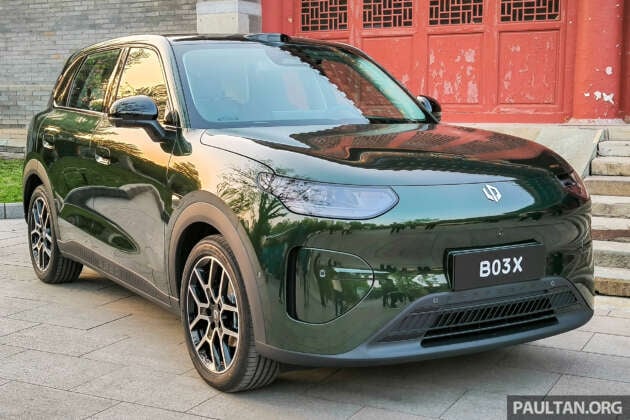
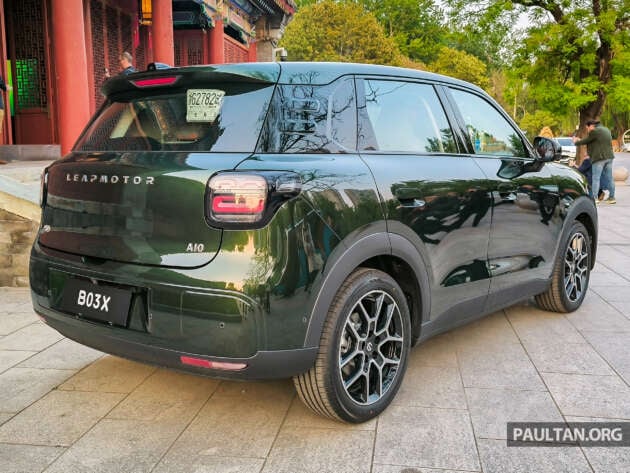
    First, let us clarify the name situation. This car is called the A10 in China, but will be badged B03X for overseas markets, including Malaysia. We understand that the change is to avoid the market confusing the A10 for an A-segment SUV – Leapmotor says that the A10 is actually a B-segment SUV, just like how the B10 is a C and the C10 is a D.

    They have the dimensions to back it up. The B03X (‘B zero three X’ sounds a bit robotic and unwieldy, but we’ll call it this from now) is 4,270 mm long and 1,810 mm wide, with a wheelbase of 2,605 mm. For context, the BYD Atto 2 – which is a fellow electric B-SUV – is 40 mm longer and 20 mm wider, and its wheelbase is 15 mm longer. Same ballpark.

    Leapmotor A10 is the next model for Malaysia – EV B-SUV will be called B03X, launch end 2026 or Q1 2027

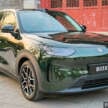
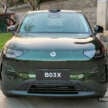
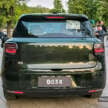
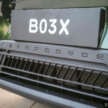
    What do you think of the B03X design? It’s a more rounded car than the more sterile B10 and C10, and it departs from the full-width light bars of the two larger SUVs. There’s also an attempt to sprinkle some playfulness in and out – cutesy cues that we spotted include the Leapmotor font on the front ‘mouth’, the robot ‘easter eggs’ that are hidden throughout the cabin, and the ‘Haha’ tail lamps. Yes, Haha!

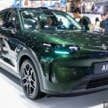
    Chinese buyers can choose from Seaweed Green, Acorn Brown, Berry Blue, Tundra Gray, Galaxy Silver and Morgan Pink colours. Leapmotor had an olive green retro-style unit at Auto China 2026, and the dressed-up example gives me previous-generation MINI Countryman vibes.

    In China, the A10 is powered by a single electric motor in two outputs – 94 hp (70 kW) and 121 hp (90 kW), both with 150 Nm of torque. The corresponding 0-100 km/h figures are also modest, 10.5 and 12.0 seconds respectively, with a top speed of 160 km/h.

    Leapmotor A10 is the next model for Malaysia – EV B-SUV will be called B03X, launch end 2026 or Q1 2027

    There are two LFP battery options: 39.8 kWh and 53 kWh, delivering 403 km and 505 km of range respectively on the lenient CLTC cycle. Expect WLTP figures to be around 330 km and 415 km. Claimed energy consumption is 10.7 to 11.3 kWh per 100 km, while DC fast charging takes SoC from 30% to 80% in 16 minutes.

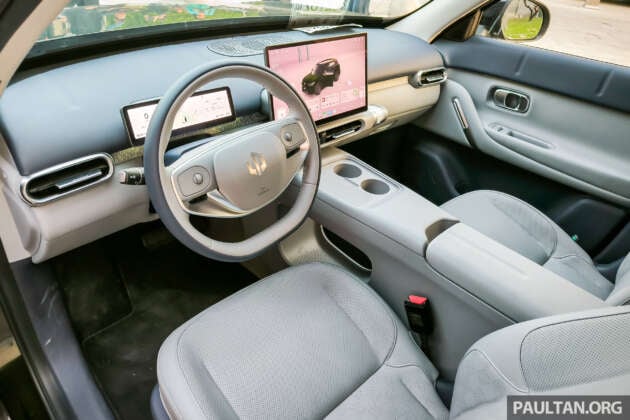
    Inside, the B03X comes with the requisite digital meter panel (8.88-inch) and large centre screen, which in this case is 14.6 inches wide. The latter provides access to an infotainment system that integrates Qwen’s AI assistant, powered by a Qualcomm SA8295 chip.

    The passenger end of the central air con vent cluster has an attachment for accessories such as ambient lighting, fragrance dispenser or a humidifier, among other things.

    Moving back, the driver’s seat back has a flip-down table and the rear seat base lifts up to reveal extra storage space. Speaking of that, the boot floor opens to a surprisingly large cavity that holds 106 litres of gear. It’s a practical compact car for active urban folks, as the tennis gear and folding bike in the Beijing show car illustrates.

    One big selling point of the domestic A10 is the availability of LiDAR, which is uncommon on a compact car like this. Aside from the roof-mounted LiDAR sensors, you can tell that A10 has advanced self-driving capabilities from the blue lights at both ends of the car. However, L3 ADAS isn’t applicable in most overseas markets and these items are likely to be omitted. In China, the A10 is priced from 65,800 yuan to 86,800 yuan (RM38,174 to RM50,357).

    So, what do you think of Leapmotor’s smallest SUV? Stellantis – which holds a stake in Leapmotor and markets the carmaker’s products outside of China – has a local factory in Gurun, which could help the B03X escape Malaysia’s high CBU EV tax barrier. Expect the B03X to arrive in Malaysia by the end of 2026 or early next year.

    GALLERY: Leapmotor B03X in China

    GALLERY: Leapmotor A10 at Auto China 2026


  • smart Concept #2 makes world debut in Beijing – tiny EV designed by Mercedes-Benz, engineered by Geely

    smart Concept #2 makes world debut in Beijing – tiny EV designed by Mercedes-Benz, engineered by Geely

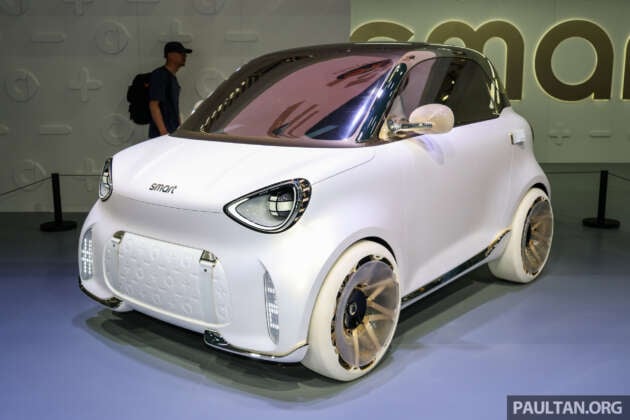
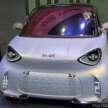
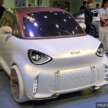
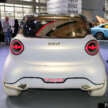
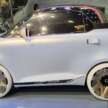
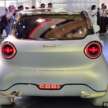
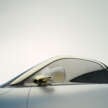
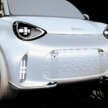
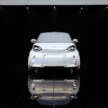
    The smart Concept #2 has made its world debut at the ongoing Auto China 2026 in Beijing – yup, the city car specialist is going back to its roots after doing quite a few big cars lately. You’ll see the production smart #2 at October’s Paris Motor Show.

    Designed by Mercedes-Benz and engineered by Geely, the 2,792 mm-long, two-seat concept is underpinned by an all-new Electric Compact Architecture (ECA), and has a turning circle of just 6.95 metres.

    Those of you looking forward to the return of smart’s distinctive tridion safety cell will be disappointed; the Concept #2 instead adopts the design language set by the #1, with triangular headlights, a floating roof and rounded tail lamps.

    It’s a surprisingly aggressive design that takes after the last fortwo, and what will surely be a gaping grille on the production model is instead covered by a monogram of the smart logo framed by twin straps – clearly inspired by one of Louis Vuitton’s iconic bags.

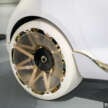
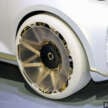
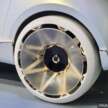
    A sporty bodykit and massive wheels (seemingly also held together by straps) pushed to the far corners of the car add to the car’s racy look.

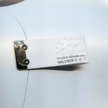
    This is bedazzled by show car details such as the striking matte white (including the tyres!) and gold colour scheme, the dot matrix displays front and rear and leather door pulls inspired by laundry care labels – replete with the ‘styled by Mercedes-Benz’ script.

    Preliminary estimated specs include a range of nearly 300 km (WLTP estimates) as well as DC fast charging from 10 to 80% in under 20 minutes. A vehicle-to-load (V2L) function will also be offered.

    In Malaysia, the smart brand is represented by Proton subsidiary Pro-Net, as both entities are part-owned by Geely. Given that Proton has long been exploring CKD local assembly of smart models (likely hinging on its new EV plant in Tanjong Malim), could we see the #2 being offered here as a more premium two-seat alternative to the eMas 5?

    smart Concept #2 at Auto China 2026 in Beijing

    smart Concept #2 official images


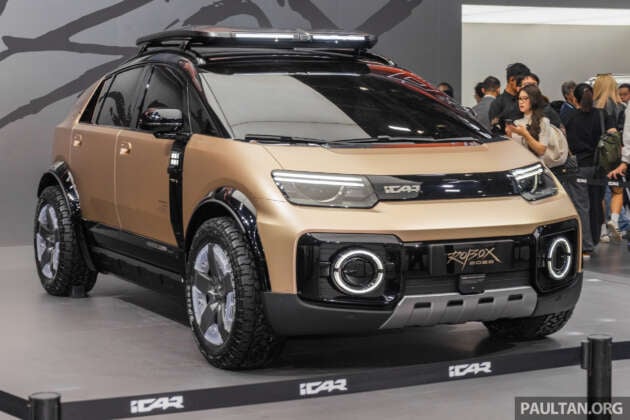
  • iCaur Robox concept – monobox SUV, Level 3/Level 4 autonomy, no steering wheel, 1,000 kW charging

    iCaur Robox concept – monobox SUV, Level 3/Level 4 autonomy, no steering wheel, 1,000 kW charging

    Chery-owned upstart iCaur, known for its retro 4×4-styled electric SUVs, has teased its new design direction with the Robox concept, making its debut at the ongoing Auto China show in Beijing. Smoother and more rounded than the 03 and V23, it’s billed as a more aerodynamic design better suited to maximising range, according to Autohome.

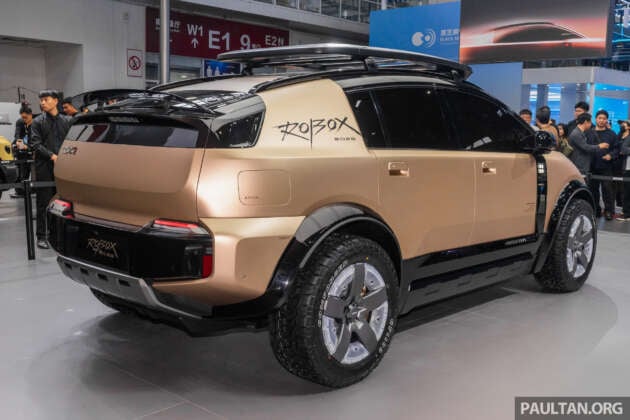
    Robox is a portmanteau of “Robot” and “Box”, and the grungy typeface, similar to the one used on the Tesla Cybertruck, has almost certainly been inspired by the video game Cyberpunk 2077 – replete with the year 2026 included. The dystopian, futuristic vibe is reflected in some of the details, including the roof rack with built-in light bars, auxiliary lights in the front doors, circular “driving lamps”, matte gold paint, translucent aero fairings on the 19-inch wheels, and plenty of text designed to look like warning labels.

    Strip all those away and you’ll find a sleek monobox design, with a black roof, a vertical body-coloured C-pillar and even an active rear spoiler, plus a visor-like black mask integrating the rectangular headlights and dual-bar daytime running lights. Chunky black bumpers front and rear (the latter integrates the slim taillights), broad wheel arch flares and beefy skid plates retain a semblance of iCaur’s trademark off-roader aesthetic. You don’t get a rear windscreen, so presumably drivers will have to rely on a digital rear-view mirror.

    iCaur Robox concept – monobox SUV, Level 3/Level 4 autonomy, no steering wheel, 1,000 kW charging

    There’s also no interior on this display unit, but the car has reportedly been designed around unsupervised Level 3 and Level 4 autonomous driving, which presumably means no steering wheel or pedals. iCaur appears to be following the approach taken by the Tesla Cybercab robotaxi – another matte gold EV with no steering wheel.

    More realistic are the mechanicals, with the Robox being built on a new i-Swift 3.0 platform with a 1,000-volt electrical architecture. iCaur EVs are not exactly cutting edge in terms of charging or range, but the underpinnings are said to enable DC fast charging in excess of 1,000 kW, rivalling BYD’s 1,500 kW Flash Charging tech. They are also claimed to support both regular lithium and solid-state batteries (no range figures have been revealed so far) and three- and even four-motor configurations.

    The Robox is set to presage a new range of vehicles under the iCaur X series. What do you think of the slippery design, and would you get a car like this over the boxier 03 and V23? Let us know in the comments.


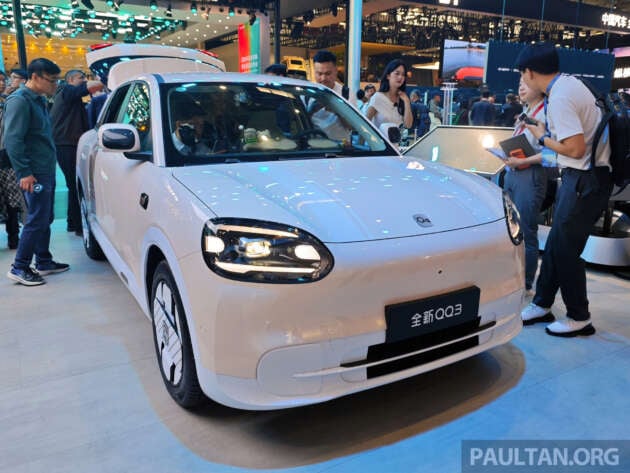
  • Chery QQ3 EV in Beijing – eMas 5, Wuling Bingo rival coming to Malaysia as the Q sometime in early 2027

    Chery QQ3 EV in Beijing – eMas 5, Wuling Bingo rival coming to Malaysia as the Q sometime in early 2027

    The Chery QQ3 was one of the busier Chery exhibits at Auto China 2026 during the opening media preview day, and for good reason, as it made its domestic market debut recently. However, the EV is already a bit familiar, having already been sighted closer to home as the Chery Q that made its ASEAN debut last month at the Bangkok International Motor Show.

    If you thought that its appearance in Thailand meant that it was heading our way next, you were right, as Chery Malaysia has indicated that the Q will be coming here sometime early next year. When it does, it will take the fight to the likes of the Proton eMas 5 and Wuling Bingo, and local assembly is expected to keep the price competitive.

    What will you get for the money? A rather sizable proposition, despite its city car leanings. At 4,195 mm long, 1,811 mm wide and 1,573 mm tall, the Q is among the larger models in the class, being 60 mm longer, six millimetres wider and seven millimetres lower than the eMas 5. Its 2,700 mm wheelbase is also 50 mm longer.

    Styling-wise, the QQ3/Q’s lines follow the general similarity seen across Chinese city EVs, with quite a bit of familiarity in its depiction and lines. In this case, the format includes rounded head- and taillights with dual horizontal light guides, flush pull-up door handles and a cut D-pillar for a “floating roof” look.

    Sitting on the automaker’s T12 platform, the QQ3 features a single rear motor, rear-wheel drive powertrain, in two output – and corresponding battery – configurations, the first being 79 PS (78 hp, or 58 kW) and 90 Nm of torque, with a 29.48 kWh LFP battery providing a range of 310 km on the CLTC cycle, which translates to around 250 km WLTP.

    The second combination pairs a 122 PS (121 hp, or 90 kW) and 115 Nm output with a larger 41.28 kWh battery for a CLTC range of 420 km, or around 340 km WLTP. In terms of charging, the Q supports up to 85 kW of DC fast charging, with all models taking 16.5 minutes to top up the battery from 30 to 80%.

    Inside, the cabin follows the general presentation template for the type. You’ll find an 8.8-inch instrument display and a 15.6-inch centre touchscreen as well as power-adjustable, heated and ventilated front seats, a 50-watt Qi wireless charger and a powered tailgate. Elsewhere, the boot offers 375 litres of volume capacity, which can be expanded to 1,450 litres with the rear seats folded, and a 70 litre frunk and 35 litres of rear under-seat storage add on to that.

    Safety-wise, the QQ3/Q comes with six airbags, while driver assist kit includes autonomous emergency braking, adaptive cruise control, lane centring assist, blind spot monitoring, rear cross traffic alert with auto brake, a front departure alert, a door opening warning and auto high beam. Also to be found is a 360-degree camera system and park assist.

    GALLERY: Chery Q at Bangkok International Motor Show 2026


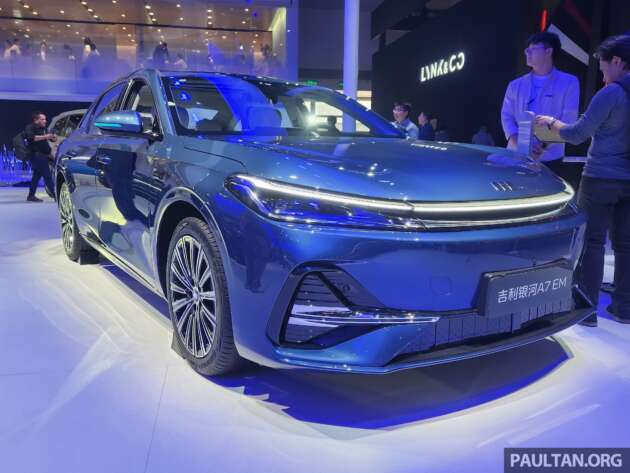
  • Geely Galaxy A7 in Beijing – PHEV up to 235 km EV range, EV up to 550 km range; want an eMas D-sedan?

    Geely Galaxy A7 in Beijing – PHEV up to 235 km EV range, EV up to 550 km range; want an eMas D-sedan?

    Also on Geely’s Auto China 2026 stand in Beijing are the PHEV and EV versions of the Geely Galaxy A7, which respectively debuted in July 2025 and earlier this month. Let’s take a closer look.

    This handsome mid-size sedan began life as a PHEV first, so let’s start with that. Length, width, height and wheelbase are respectively 4,918, 1,905, 1,495 and 2,845 mm, placing it firmly in the D segment.

    Called the A7 EM in China, the PHEV marries a 111 PS/136 Nm 1.5 litre BHE15PFI non-turbo four-cylinder engine (47.26% thermal efficiency) with an 11-to-1 one-speed dedicated hybrid transmission (DHT). The DHT has two motors including a 238 PS/262 Nm traction motor. 0-100 km/h takes 7.1 seconds and top speed is 190 km/h.

    Batteries? Choose between an 18.4 kWh one (2.22 litres per 100 km, 150 km EV range, CLTC) or an 28.3 kWh one (2.29 litres per 100 km, 235 km EV range, 2,100 km combined range); both are LFP. Peak charging rates are 37 kW DC (30-80% in 18 minutes) and 3.3 kW AC.

    Meanwhile, the EV version has one front-mounted 218 PS electric motor, a 58.05 kWh LFP battery, a 7.4-second 0-100 km/h time and a 550-km CLTC range. Powertrain aside, here’s how the PHEV and EV differ – front bumper design, a slightly bigger boot for the EV (547 versus 535 litres), slightly more ground clearance for the PHEV (145 versus 125 mm) and an active grille shutter for the PHEV.

    Their interiors are pretty much the same – two-spoke steering wheel, 16 Flyme Sound speakers (including headrest speakers), 10.25-inch instrument panel and 15.4-inch touch-screen. It’s unlikely at the moment, but how would you like this as a larger and more premium Proton eMas sedan to lord above this one?

    Geely Galaxy A7 EM PHEV at Auto China 2026 in Beijing

    Geely Galaxy A7 EV at Auto China 2026 in Beijing


Sell your car!

Latest Fuel Prices

PETROL
BUDI 95 RM1.99
RON 95 RM3.97 (+0.10)
RON 97 RM4.90 (+0.05)
RON 100 RM7.20
VPR RM8.18
DIESEL
EURO 5 B10 RM5.12 (0.00)
EURO 5 B7 RM5.32 (0.00)
Last Updated Apr 30, 2026

Latest Videos


Related PaulTan.org Content: Malaysia: Malaysia | Electric: Electric | Reviews: Reviews | Tech | Featured: Featured | 2025